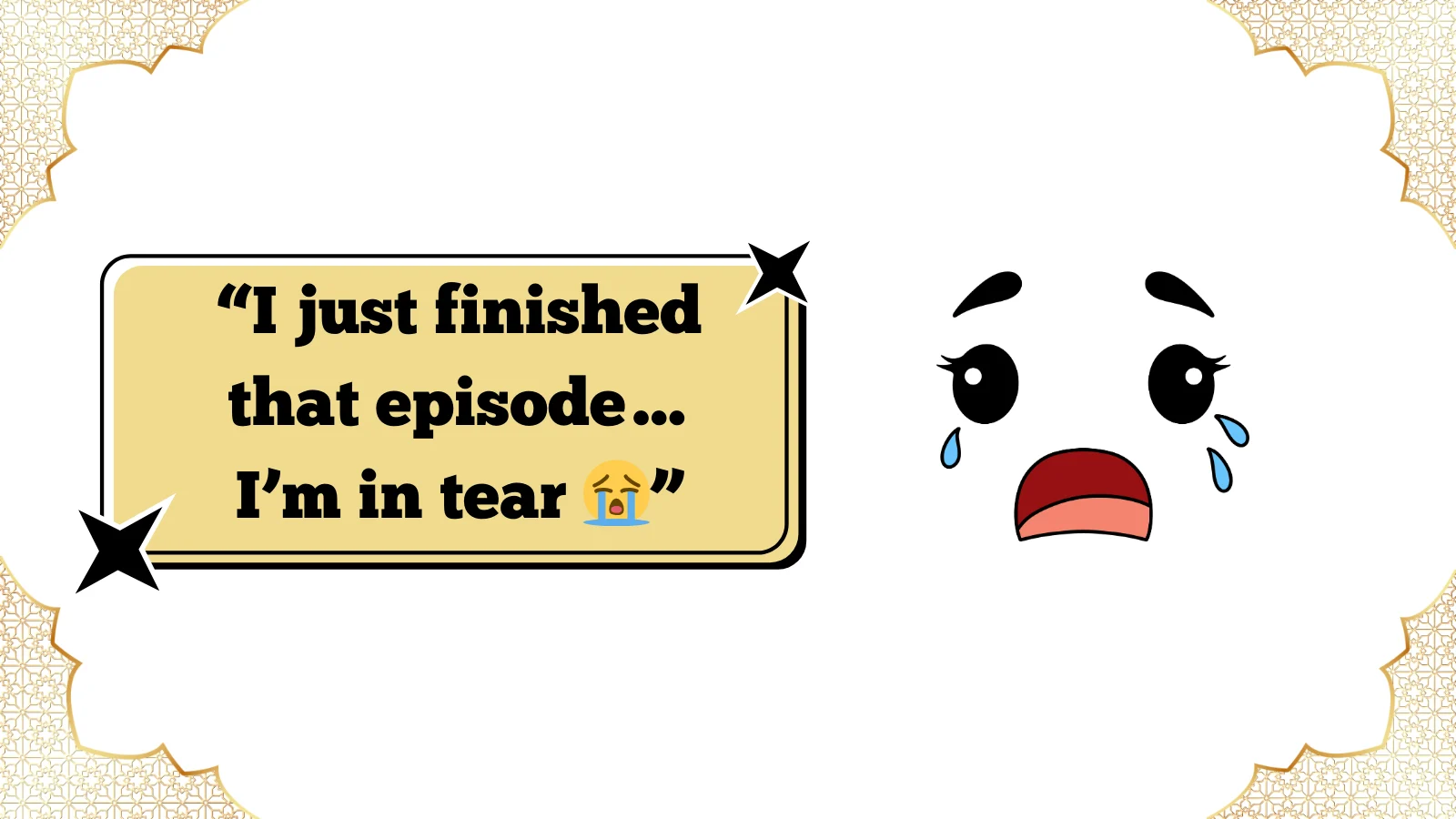
If you’ve ever seen someone type “tear” in a text, comment, or DM and paused for a second wait, do they mean crying or ripping something? you’re not alone.
The word tear is one of those deceptively simple terms that can mean totally different things depending on context, tone, and platform.
In modern texting and internet slang, tear meaning has expanded beyond its traditional dictionary definitions.
You may encounter this word in books, news articles, movies, songs, or casual conversations, where its meaning depends entirely on the surrounding words.
For example, “a tear rolled down her cheek” refers to a droplet from the eye, while “there was a tear in his jacket”
What Does Tear Mean? (Definition & Origin)
At its core, the word tear has two classic meanings—and yes, English made them confusing on purpose.
1. Tear (noun) – an emotional tear
Pronounced: teer
This refers to the drop of liquid that comes from your eye when you’re:
- Sad 😢
- Laughing too hard 😂
- Touched or emotional 🥹
Traditional meaning:
A tear is a drop of clear salty liquid produced from the eyes.
2. Tear (verb/noun) – to rip or damage
Pronounced: tair
This means to:
- Rip paper
- Damage fabric
- Break something forcefully
Traditional meaning:
To pull something apart or damage it by force.
So what’s the tear meaning in texting?
In chats and online conversations, tear is most commonly used to mean emotional crying, not ripping—especially when paired with emojis, slang, or dramatic context.
In short:
- 💬 Texting meaning: emotional reaction (sad, funny, overwhelmed)
- 📱 Slang meaning: exaggerated feelings, often playful or sarcastic
- 😂 Internet use: can mean crying from laughter, not sadness
How Tear Is Used in Texts or Chat
In modern messaging, tear rarely appears alone without context. It’s often used with emojis, memes, or emotional cues.
Common texting styles using tear:
- Literal emotion:
“That ending brought a tear to my eye.” - Exaggerated reaction:
“Single tear 😭 this is too funny.” - Sarcastic humor:
“A tear was shed… anyway.” - Dramatic emphasis:
“I almost cried a tear reading that.”
Platforms where tear is commonly used:
- Text messages & WhatsApp
- Instagram & TikTok comments
- Twitter/X replies
- Reddit threads
- Discord chats
In fast-moving online spaces, tear often replaces long emotional explanations. One word + emoji = full emotional context.
Examples of Tear in Conversations
Seeing tear in action makes the meaning much clearer. Here are real-world style examples you might actually see online.
Example 1: Emotional reaction
Friend: “I’m moving away next month.”
You: “Wow… that honestly brought a tear to my eye.”
➡️ Meaning: Genuine sadness or emotion
Example 2: Laughing too hard
Friend: “I tripped in front of my crush.”
You: “STOP 💀 I’m crying a tear laughing.”
➡️ Meaning: Laughing, not sadness
Example 3: Sarcastic / dry humor
Comment: “My phone battery died at 98%.”
Reply: “A tear was shed.”
➡️ Meaning: Fake sympathy, playful sarcasm
Example 4: Meme-style exaggeration
Caption: “When the pizza arrives late.”
Comment: “Single tear 😭”
➡️ Meaning: Over-the-top drama for humor
Emotional vs Literal Meaning: Why Context Matters
One reason tear meaning confuses people is pronunciation and tone don’t exist in text.
How readers usually interpret it:
- With emojis: emotional or humorous
- In memes: exaggerated reaction
- In serious messages: real feeling
- Without context: ambiguous
💡 Pro tip: If you want to avoid confusion, pair tear with:
- An emoji (😭 😂 🥹)
- A clarifying phrase (“from laughing” / “not gonna lie”)
Common Mistakes or Misunderstandings
Even native English speakers mess this one up in texts.
❌ Mistake 1: Assuming it always means crying
“I tore my jeans” ≠ emotional tear
Context matters.
❌ Mistake 2: Forgetting pronunciation differences
In writing:
- Tear (cry) and tear (rip) look identical
In speech: - They sound completely different
❌ Mistake 3: Overusing it without context
Typing just “tear” can confuse readers.
✅ Better:
- “That gave me a tear 😢”
- “Tear from laughing 😂”
Is Tear Slang or Standard English?
This is where things get interesting.
Technically:
- Tear is standard English.
In texting culture:
- It functions like soft slang
- Meaning shifts based on tone, emoji, and exaggeration
- Often used humorously or emotionally rather than literally
So while it’s not slang like “LOL” or “FR,” its chat meaning has evolved beyond the dictionary.
Related Slangs & Abbreviations (You’ll See These Together)
If you’re learning tear meaning, you’ll often encounter it alongside these popular expressions:
- 😭 – crying emoji (sad or laughing)
- 😂 – laughing tears
- “Crying” – slang for laughing hard
- “I’m weak” – laughing uncontrollably
- “This sent me” – emotional or funny reaction
- “On the verge of tears” – emotional overload
Example:
“That video sent me 😭 a tear was shed.”
How to Use Tear Correctly in Your Own Texts
Want to sound natural and not awkward? Here’s how.
Use tear when:
- You’re reacting emotionally
- You want playful drama
- You’re responding to something funny or touching
Avoid tear when:
- Clarity is critical (professional messages)
- The context could be misread
- You mean literal damage (say “rip” instead)
Quick Usage Guide:
- Sad moment → “That brought a tear to my eye 😢”
- Funny moment → “A tear from laughing 😂”
- Sarcasm → “A tear was shed.”
Why Tear Is Still Relevant in 2026
Despite new slang popping up every year, tear has staying power because:
- It’s short
- It’s flexible
- It works with emojis
- It fits memes, reactions, and storytelling
As digital communication becomes more emotional and visual, simple words like tear carry big meaning with minimal effort.
SEO Tip for Content Creators & Bloggers
If you’re writing about tear meaning, consider internal links to related topics like:
- Crying emoji meaning
- “Crying” slang meaning
- Laughing so hard slang terms
- Emotional reactions in texting
This improves topical authority and user engagement—exactly what Google’s Helpful Content + E-E-A-T guidelines reward.
FAQs
1. What does tear mean?
A tear can mean a drop of liquid from the eye or a rip in fabric, depending on the context.
2. How do you know which tear meaning is correct?
The sentence and pronunciation determine whether tear means crying or a rip.
3. Is tear a homograph?
Yes, tear is a homograph because it has the same spelling but different pronunciations and meanings.
4. What does tear mean in texting?
In texting, tear usually refers to crying or becoming emotional over something.
5. What is the difference between tear and rip?
A tear is the result of something being ripped, while rip is the action of pulling something apart.
6. Can tear be used as both a noun and a verb?
Yes, tear functions as both a noun (a tear from the eye or a rip) and a verb (to rip something apart or to cry).
Conclusion
Understanding tear meaning in texting isn’t just about vocabulary it’s about reading emotion, tone, and internet culture.
Whether it signals genuine sadness, uncontrollable laughter, or playful sarcasm, tear has become a versatile emotional shortcut in modern communication.
By paying attention to context, emojis, and platform style, you’ll always know whether someone is truly emotional or just being dramatic for laughs.
And now, you can confidently use tear in your own messages without second-guessing it.
Leave a Reply