Understanding the root chakra meaning is more than just a spiritual concept it’s a gateway to feeling grounded, secure, and connected to your life’s foundation.
In today’s fast paced world, where stress and uncertainty are everywhere, knowing how to balance your root chakra can help you feel more stable and confident in daily life.
The root chakra, also known as Muladhara in Sanskrit, is the first of the seven main energy centers in the human body, located at the base of your spine.
It governs your sense of security, survival instincts, and physical health.
This guide will explore the root chakra meaning, its origin, practical ways to activate it, and how it connects to your mental, emotional, and physical well-being.
Updated for 2026, this article provides real-life examples, easy to follow tips, and insights that go beyond surface level explanations.
What Does “Root Chakra” Mean? (Definition & Origin)
The root chakra, or Muladhara, is considered the foundation of your entire energy system. In Sanskrit, “Mula” means root, and “Dhara” means support. Essentially, it’s your base support—the energy that grounds you to the Earth and gives you stability.
Key Features:
- Location: Base of the spine, near the tailbone
- Color: Red, symbolizing strength, vitality, and courage
- Element: Earth, connecting you to grounding energy
- Associated Traits: Stability, survival, self-preservation, and trust
Historically, the concept of chakras comes from ancient Indian texts like the Vedas and Upanishads. The root chakra is the first energy center in the body, and without it, the higher chakras (like the heart or third-eye) can’t function optimally. Think of it like the foundation of a house—if the base isn’t strong, the whole structure wobbles.
How to Use “Root Chakra” in Daily Life
Understanding the root chakra meaning isn’t just theoretical—it has practical applications. You can activate and balance your root chakra through physical, mental, and spiritual practices.
Physical Practices:
- Exercise & Movement: Walking, running, or yoga poses like Mountain Pose (Tadasana) help stimulate grounding energy.
- Nutrition: Eating root vegetables, proteins, and red-colored foods strengthens the root chakra.
- Massage & Pressure Points: Focusing on the base of the spine during self-massage or professional treatments can relieve blockages.
Mental & Emotional Practices:
- Mindfulness & Meditation: Visualizing a red light at the base of your spine during meditation enhances grounding.
- Affirmations: Use phrases like “I am safe,” “I am secure,” or “I am grounded” daily.
- Connection to Nature: Spending time barefoot on grass or soil strengthens your connection to the Earth.
Examples of “Root Chakra” in Conversations
Here are some ways people might use the root chakra concept in real-life conversations:
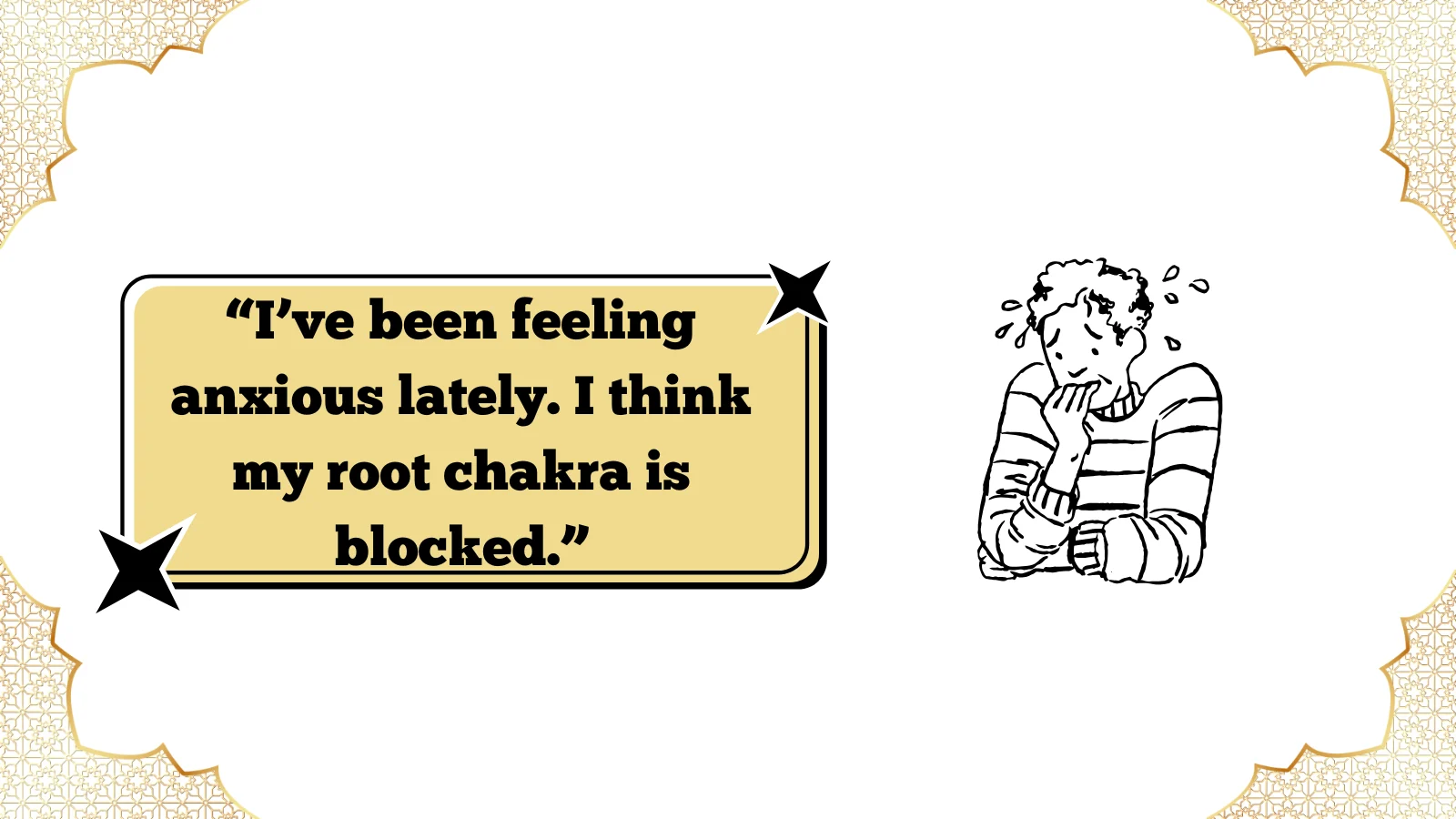
- “I’ve been feeling anxious lately. I think my root chakra is blocked.”
- “After a long hike, I feel so connected and grounded—it’s like my root chakra is fully open.”
- “Meditation really helps me balance my root chakra and feel more secure in life.”
These examples show that the term isn’t just spiritual jargon—it’s a practical reference to emotional and physical stability.
Common Mistakes or Misunderstandings
When learning the root chakra meaning, people often make mistakes:
- Thinking it’s only spiritual: The root chakra affects physical, emotional, and mental well-being, not just meditation.
- Ignoring signs of imbalance: Fatigue, anxiety, financial insecurity, or poor posture may signal a blocked root chakra.
- Expecting instant results: Chakra balancing takes consistency—daily practice works better than occasional efforts.
By avoiding these mistakes, you can achieve true grounding and stability.
Related Chakras and Energy Centers
While the root chakra is foundational, it’s connected to other chakras:
- Sacral Chakra (Svadhisthana): Creativity and emotions
- Solar Plexus Chakra (Manipura): Confidence and personal power
- Heart Chakra (Anahata): Love and compassion
Understanding the root chakra meaning helps you unlock the benefits of all other chakras, creating a balanced energy system.
Signs of a Balanced vs. Blocked Root Chakra
Balanced Root Chakra:
- Feeling safe and secure
- High energy levels and motivation
- Clear focus and decision-making
Blocked Root Chakra:
- Anxiety, fear, or restlessness
- Physical issues like lower back pain
- Financial insecurity or lack of stability
Quick Tip:
Visualize a red glowing light at your spine base for 5 minutes daily—this simple practice helps maintain balance.
Root Chakra in Modern Life
The root chakra isn’t just for spiritual seekers—it’s increasingly relevant for modern life stressors:
- Remote work stress: Helps maintain balance while working from home.
- Financial anxiety: Grounding exercises reduce fear and panic.
- Parenting & relationships: Feeling secure improves emotional resilience.
Recent online trends show that people on platforms like TikTok, Instagram, and Reddit are sharing root chakra tips, meditations, and affirmations, making it a widely recognized wellness term in 2026.
Conclusion
The root chakra meaning is essential for anyone looking to feel grounded, secure, and energized in life.
By understanding its definition, recognizing blockages, and practicing daily grounding exercises, you can strengthen your foundation physically, mentally, and emotionally.
Share your favorite root chakra tips or experiences in the comments!
How do you stay grounded in a busy world?
Let’s spark a conversation about stability, balance, and inner strength.
Leave a Reply