Understanding modern language especially words that blur the line between formal English and casual online use is more important than ever.
One such word you may have seen popping up in texts, forums, academic memes, or even Twitter/X threads is quasi.
At first glance, it looks serious or “too formal” for chat, but surprisingly, quasi meaning has evolved into something people casually use to describe situations that are kind of, almost, or not fully something.
In fast moving digital conversations, people want quick ways to explain gray areas things that aren’t 100% real, official, or complete.
That’s where quasi fits perfectly.
Whether someone says “a quasi job,” “quasi-relationship,” or “quasi-famous,” they’re expressing uncertainty in a smart, compact way.
What Does Quasi Mean? (Definition & Origin)
Quasi Meaning Explained Simply
The word quasi means “almost,” “partly,” or “sort of, but not completely.” When something is described as quasi, it has some characteristics of a thing—but doesn’t fully qualify as it.
In plain English:
- Quasi = not fully real, official, or complete
- Think: kind of, halfway, almost but not quite
Example:
- “He’s in a quasi leadership role.”
- 👉 He leads sometimes, but it’s not official.
Origin of the Word Quasi
The term comes from Latin “quasi”, meaning “as if” or “almost.”
It entered English centuries ago through legal, academic, and philosophical writing. What’s new is how it’s now used casually in:
- Online discussions
- Text messages
- Social media commentary
- Workplace chats
This shift has made quasi meaning more relevant to everyday communication than ever before.
How to Use “Quasi” in Texts or Chat
Although quasi isn’t a traditional chat abbreviation like “LOL” or “BRB,” it’s increasingly popular among people who want to sound precise, witty, or slightly sarcastic.
Common Contexts Where Quasi Is Used
You’ll often see quasi used in:
- 📱 Text messages
- 💬 Slack or Discord chats
- 🐦 Twitter/X posts
- 📚 Academic memes
- 💼 Workplace conversations
How It Works in a Sentence
Quasi usually comes before a noun or adjective.
Examples:
- Quasi-friend
- Quasi-official
- Quasi-serious
- Quasi-famous
Text-style example:
“We’re in a quasi relationship rn 😅”
This means:
- It feels like a relationship
- But there’s no label or commitment
Examples of Quasi Meaning in Real Conversations
Here are modern, relatable examples showing how people actually use quasi today:
Casual Texting
- “I’m working a quasi remote job—home 3 days, office 2.”
- “She’s my quasi boss, but not officially.”
Social Media Usage
- “Went viral for 12 hours. Guess I’m quasi-famous now 😂”
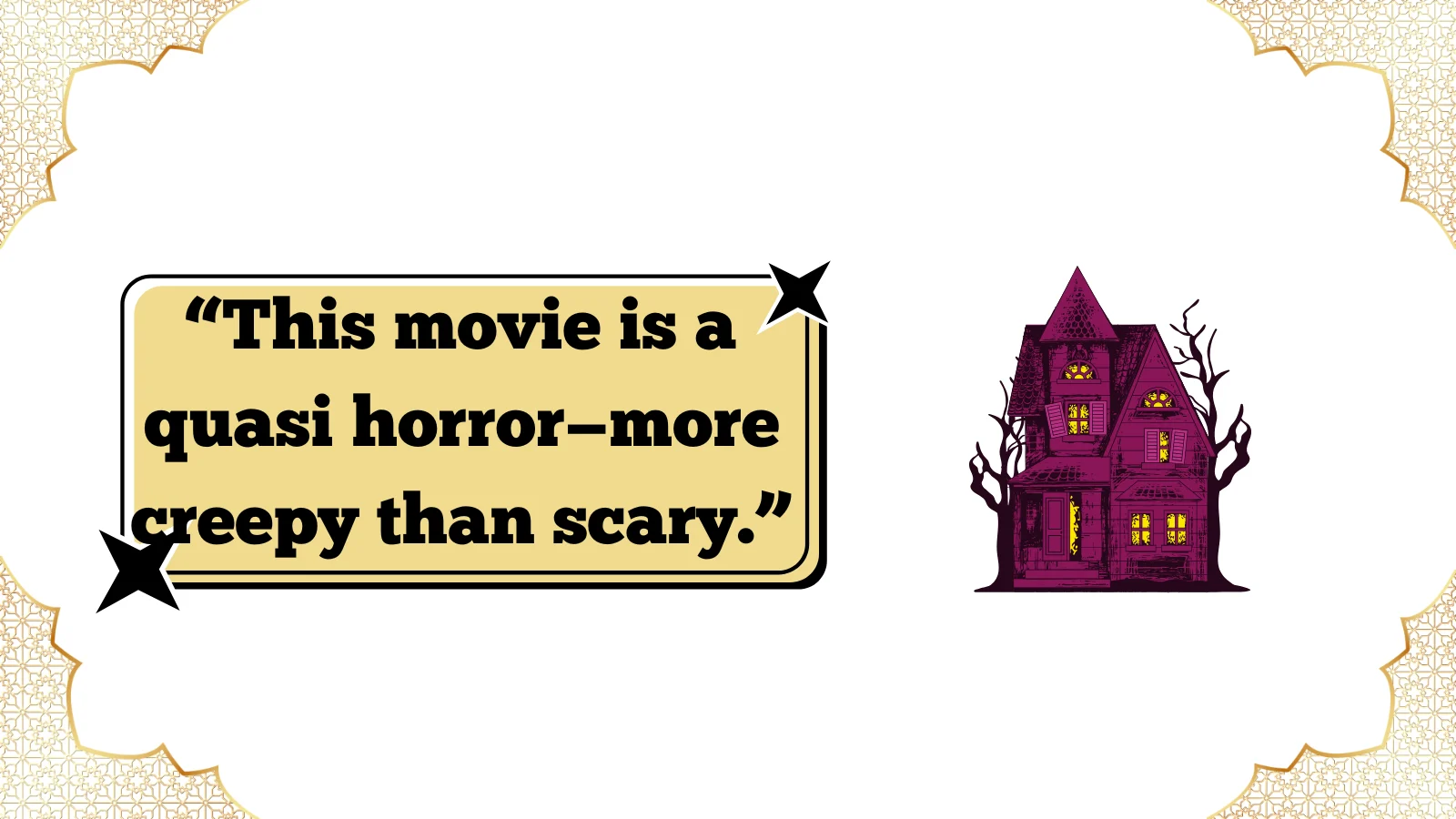
- “This movie is a quasi horror—more creepy than scary.”
Workplace & Professional Chats
- “We’re in a quasi approval stage right now.”
- “He’s acting in a quasi managerial role until hiring is done.”
Funny or Relatable Scenarios
- “Didn’t quit, didn’t stay. I’m in a quasi resignation phase.”
- “Gym member with no workouts = quasi athlete.”
These examples show how quasi meaning adds clarity and personality to communication.
Common Mistakes or Misunderstandings
Even though quasi is useful, it’s often misused. Here’s what to avoid:
❌ Using It as a Slang Replacement for ‘Fake’
- Wrong: “That’s a quasi phone.”
- Better: “That’s a fake phone.”
👉 Quasi doesn’t mean fake—it means partially or almost.
❌ Overusing It in Casual Chat
Using quasi in every sentence can sound forced.
Bad example:
“I’m in a quasi mood about this quasi situation.”
Better:
“I’m kind of unsure about this.”
❌ Using It Without Context
Always clarify what makes something quasi.
Instead of:
- “It’s quasi.”
Say:
- “It’s quasi-official, but not finalized.”
Related Slangs or Abbreviations
If you’re learning quasi meaning, you may also come across similar expressions:
Similar Words & Slang
- Kinda / Kind of – informal version
- Sorta / Sort of – casual and conversational
- Lowkey – subtle or not obvious
- Pseudo – fake or pretending
- Soft-launch – unofficial beginning
Text Alternatives
- “Almost”
- “Not really”
- “Halfway”
- “Unofficially”
💡 Internal linking tip:
You could link this article to related guides like:
- Lowkey Meaning in Text
- Pseudo Meaning Online
- Soft Launch Meaning on Social Media
Why Quasi Is Still Relevant in 2026
Language evolves, but the need to explain gray areas never goes away. In 2026, people:
- Avoid labels
- Work hybrid roles
- Date without definitions
- Launch ideas quietly
That’s why quasi meaning is more useful than ever. It perfectly captures modern uncertainty without sounding confusing.
How to Use Quasi Correctly (Quick Guide)
Use quasi when something is:
- ✔️ Partially true
- ✔️ Not official yet
- ✔️ Somewhere in-between
- ✔️ Hard to label
Avoid it when something is:
- ❌ Completely fake
- ❌ Clearly defined
- ❌ Fully official
Conclusion
To sum it up, quasi meaning refers to something that is almost, partly, or not fully what it appears to be.
It’s a powerful word that helps describe modern situations where things don’t fit neatly into boxes whether that’s relationships, jobs, fame, or responsibilities.
While it originated in formal and academic language, quasi has found a comfortable place in everyday texting and online conversations.
Used correctly, quasi can make your messages clearer, smarter, and even a little funnier.
The key is moderation and context use it when you genuinely need to explain a gray area, not just to sound fancy.
Leave a Reply