In today’s fast paced digital world, texting, online chats, and social media posts are full of abbreviations and slang.
One abbreviation that has been popping up more often is “CW”. If you’ve been wondering “What does CW mean?”, you’re not alone.
Understanding these abbreviations is essential for keeping up with modern communication, avoiding misunderstandings, and even adding some fun to your texts.
Whether you’re a teen texting friends, a professional navigating casual chat in the workplace, or just someone exploring internet slang, knowing CW can save you from awkward moments and help you communicate like a pro.
By the end, you’ll not only understand CW, but also know exactly how and when to use it in your daily chats.
This article is updated for 2026 with the latest trends in texting and online communication.
What Does “CW” Mean? (Definition & Origin)
CW is an abbreviation that can mean different things depending on the context. The two most common meanings are:
- Content Warning – Used online to alert readers that the following content may be sensitive, triggering, or potentially upsetting.
- Clockwise – Often used in gaming, technical discussions, or instructions to indicate rotation direction.
Origin:
- Content Warning: This meaning emerged in online communities and forums around the 2010s. It became especially popular on platforms like Tumblr, Twitter, and Reddit, where discussions about sensitive topics needed a polite heads-up.
- Clockwise: This has been a standard abbreviation in technical or instructional writing for decades and migrated naturally into casual online conversations.
Pro Tip: Context is everything! The meaning of CW depends on the platform, topic, and conversation style.
How to Use “CW” in Texts or Chat
Knowing CW is only half the battle; using it correctly ensures your message is clear and respectful.
When CW Means Content Warning
- Purpose: To warn readers about sensitive material, such as violence, mental health topics, or spoilers.
- Usage Example:
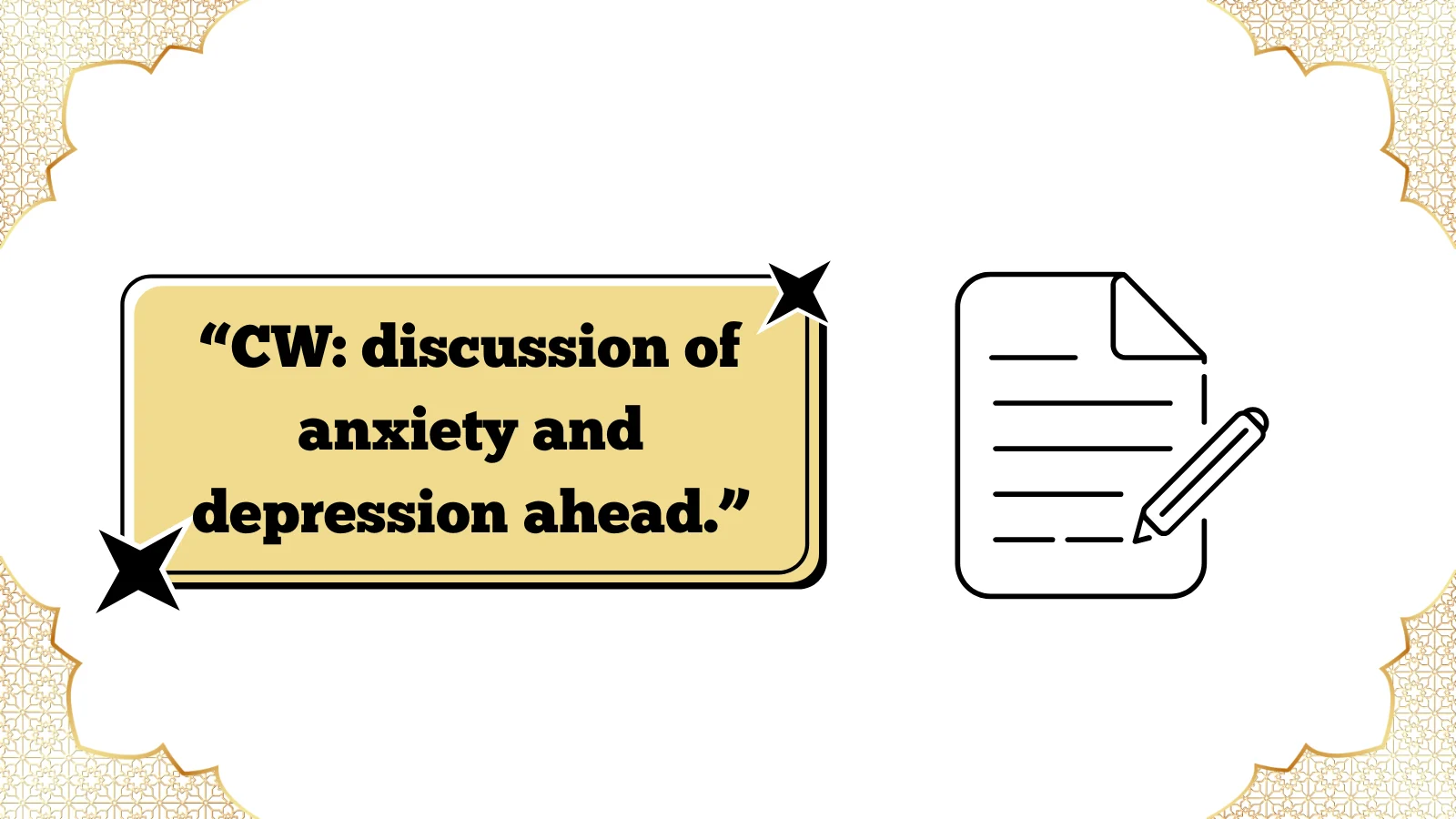
- “CW: discussion of anxiety and depression ahead.”
- “CW: spoilers for the latest Marvel movie.”
- Tip: Always put CW at the beginning of your post or message to give readers time to prepare.
When CW Means Clockwise
- Purpose: Often used in instructions or gaming contexts.
- Usage Example:
- “Turn the dial CW to increase the volume.”
- “Move your character CW around the obstacle.”
- Tip: Make sure your audience understands the physical or visual context; otherwise, CW might confuse them.
Examples of “CW” in Conversations
Here are real-life examples to illustrate CW in action:
Content Warning:
- Friend 1: “Hey, did you read that thread about the accident?”
- Friend 2: “CW: It’s pretty graphic, proceed carefully.”
Clockwise:
- Gamer 1: “Rotate the puzzle piece CW to fit it in the slot.”
- Gamer 2: “Got it, thanks!”
Social Media Example:
- Twitter: “CW: mention of animal abuse in this thread. Please scroll with caution.”
Using these examples in your own chats can make your communication clearer and more considerate.
Common Mistakes or Misunderstandings
Even experienced texters sometimes mix up CW, especially because it has multiple meanings. Here are some pitfalls to avoid:
- Assuming everyone knows the meaning: Always consider your audience. Not everyone will understand CW as “content warning.”
- Overusing CW: Adding CW unnecessarily can annoy readers. Use it only when content may genuinely be sensitive.
- Wrong placement: Always place CW at the start of the message/post for maximum clarity.
- Ignoring context clues: If someone says “CW” in a gaming forum, it likely means clockwise—not content warning.
Quick Tip: When in doubt, clarify! You can write something like: “CW (content warning): violence ahead”.
Related Slangs or Abbreviations
Once you’re familiar with CW, it’s easy to get introduced to other related abbreviations:
- TW (Trigger Warning): Very similar to CW but more explicitly indicates something could be psychologically triggering.
- NSFW (Not Safe For Work): Warns about inappropriate content for public/work settings.
- CCW (Counter-Clockwise): Opposite of CW in instructions or gaming.
- FYP (For You Page): Often seen on TikTok and sometimes appears alongside CW for sensitive content.
Understanding these related terms can help you navigate chats and online communities more confidently.
Tips for Using CW Correctly
- Know your platform: CW is more common on forums, social media, and fan communities than in casual texting.
- Be considerate: When using CW for content warning, aim to protect readers, not just label content.
- Combine with emojis (optional): Some users add ⚠️ or 🚨 to make CW more noticeable.
- Keep it concise: A simple “CW: spoilers” is often enough.
Fun Fact: Some communities now use CW humorously for mild spoilers, like “CW: this meme might make you laugh uncontrollably.”
Conclusion
Understanding CW is essential in today’s fast-moving digital conversations.
Whether it stands for Content Warning or Clockwise, using it correctly shows that you’re mindful of your audience and up-to-date with modern texting culture.
From alerting friends about sensitive topics to giving clear instructions in games or tutorials, CW is a versatile abbreviation that makes online communication smoother.
Share your favorite text abbreviation in the comments!
It’s a fun way to learn new slang and keep your digital conversations fresh and engaging.
Leave a Reply