If you’ve ever been in a group chat planning dinner and someone says, “Let’s just go Dutch,” you might pause for a second.
Is it about the Netherlands?
A tradition?
A meme?
Understanding phrases like going dutch meaning is important in today’s texting and online culture.
Knowing what it means and how to use it correctly can save you from awkward misunderstandings (especially on a first date!).
In this guide, we’ll break down the going dutch meaning, its origin, how to use it naturally in texts, real life conversation examples, common mistakes, and related slang.
Whether you’re a student, a frequent texter, or someone brushing up on modern expressions, this article will give you everything you needclearly and simply.
What Does “Going Dutch” Mean? (Definition & Origin)
Simple Definition of Going Dutch
Going Dutch means that each person pays for their own share of a bill, especially at a restaurant, movie, or social event.
In texting or chat language, when someone says:
“Wanna go Dutch?”
They mean:
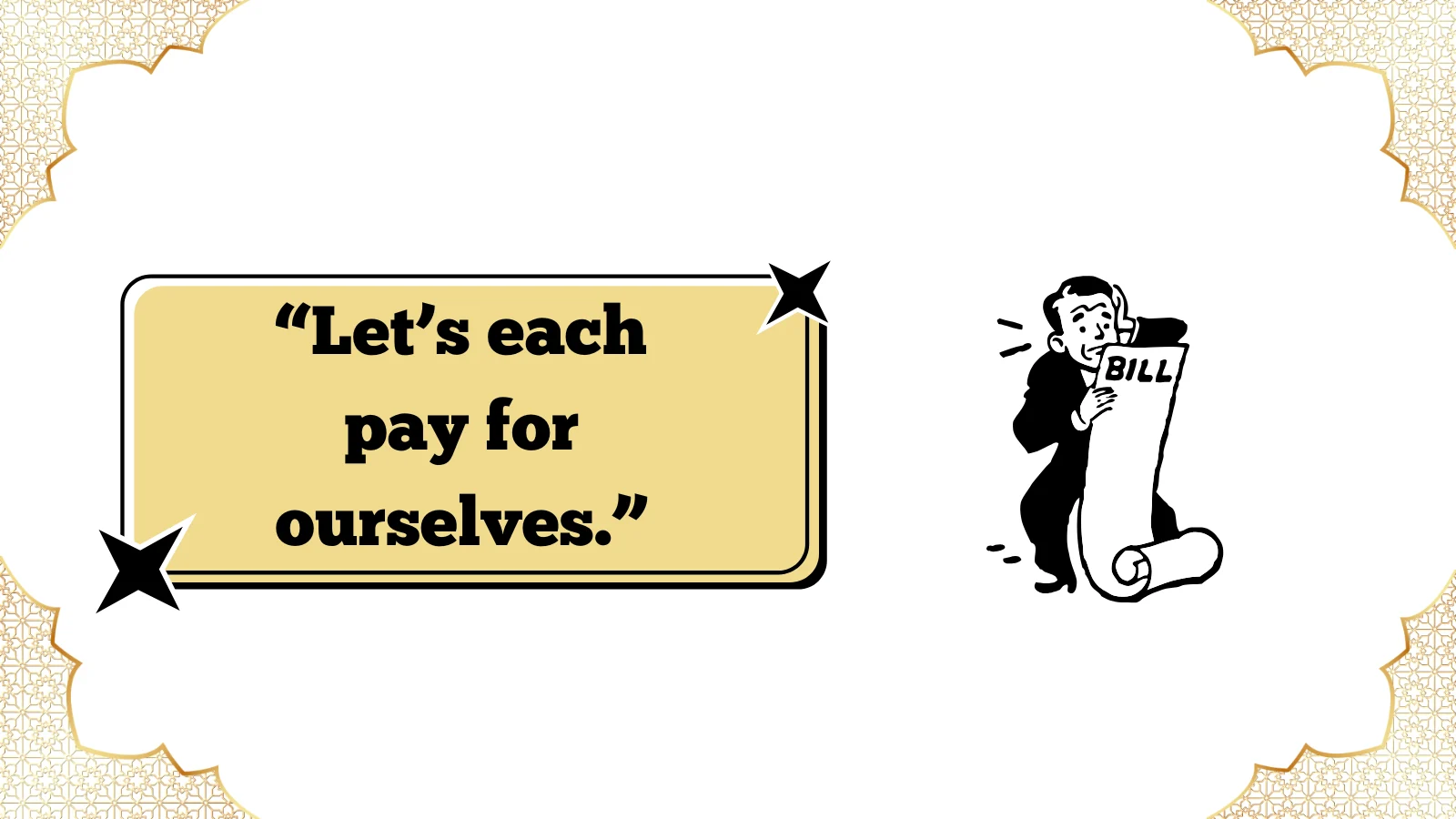
“Let’s each pay for ourselves.”
It’s commonly used in:
- Dating situations
- Group dinners
- Casual hangouts
- Coffee meetups
- Travel expenses
Origin of the Phrase “Going Dutch”
The phrase dates back to the 17th century, during trade and political tensions between England and the Netherlands. Several expressions like “Dutch courage” and “Dutch treat” emerged during that time.
A “Dutch treat” originally meant something that isn’t actually a treat—because everyone pays for themselves. Over time, this evolved into the more neutral phrase “going Dutch.”
Today, the phrase has lost its negative tone and simply means splitting costs equally.
How to Use “Going Dutch” in Texts or Chat
In 2026, the going dutch meaning in text remains practical and straightforward. It’s used casually and often without explanation.
Common Texting Examples
Here’s how it appears naturally in messages:
- “Dinner tonight? We can go Dutch 😊”
- “Let’s go Dutch on the Uber.”
- “I’m cool with going Dutch if that works for you.”
- “First date idea: coffee and going Dutch, no pressure.”
Tone Matters
While the phrase is neutral, context changes the vibe:
- Friendly tone:
“Let’s go Dutch so it’s fair!” - Awkward tone (if misused):
“I’ll go Dutch. Don’t expect me to pay.”
Delivery matters. In dating culture, especially in the USA and UK, “going Dutch” is often seen as respectful and modern—but some people still prefer traditional payment expectations. Always read the situation.
Social Media Usage
You may also see it in:
- Twitter/X posts
- Instagram captions
- TikTok dating discussions
- Reddit threads about relationship advice
Example:
“Green flag if he suggests going Dutch on the first date.”
Examples of “Going Dutch” in Conversations
Let’s look at real-life style chat examples so you can see how it flows naturally.
Example 1: First Date Scenario
Alex: Dinner at 7?
Sam: Sounds good! Want to go Dutch?
Alex: Yeah, that works for me.
Here, “going Dutch” removes financial pressure.
Example 2: Group Dinner
Maya: The bill’s $120.
Chris: Let’s just go Dutch.
Everyone: Cool 👍
In group settings, it avoids complicated math debates.
Example 3: Travel Situation
Jordan: Hotel was $400 for two nights.
Taylor: Let’s go Dutch on it.
Clear, simple, and practical.
Example 4: Funny Usage
Text:
“Date went so bad we went Dutch and emotionally Dutch too.”
This shows how it can be used humorously in memes.
Common Mistakes or Misunderstandings
Even though the going dutch meaning is simple, people still misuse it.
❌ Mistake 1: Thinking It Means “Splitting Exactly in Half”
Not always. It usually means each person pays for what they ordered, not necessarily 50/50.
Example:
- You ordered a salad ($10)
- Your friend ordered steak ($25)
Going Dutch usually means you pay $10, they pay $25.
❌ Mistake 2: Using It in Formal Business Settings
In professional environments, saying “Let’s go Dutch” can sound too casual. Instead, people say:
- “We’ll split the bill.”
- “Separate checks, please.”
❌ Mistake 3: Assuming It’s Rude
Some cultures or individuals may see it differently. On traditional dates, one person may expect the inviter to pay. Always communicate clearly.
Related Slangs or Abbreviations
If you’re learning the going dutch meaning, you might also want to understand similar phrases.
1. Split the Bill
Straightforward and modern alternative.
2. Separate Checks
Common in restaurants.
3. 50/50
Used in text to mean equal sharing.
Example:
“Movie tickets? 50/50?”
4. Venmo Me / PayPal Me
Digital version of going Dutch in 2026.
Example:
“I paid the full bill. Venmo me your part.”
Internal Linking Suggestions
If you run a slang-focused blog, you can internally link to:
- “What Does 50/50 Mean in Text?”
- “Green Flag Meaning in Dating”
- “Rizz Meaning in Chat”
- “Delulu Meaning Explained”
When Is It Appropriate to Use “Going Dutch”?
Understanding context is key.
Best Situations
- Casual meetups
- Friend hangouts
- Early-stage dating
- Group activities
- Travel with friends
Situations to Think Twice
- Formal business dinners
- Celebratory events (birthdays, anniversaries)
- When someone clearly invited and offered to pay
Cultural Perspective in 2026
In modern dating culture (especially Gen Z and Millennials), going Dutch is often considered:
- A sign of independence
- Financial fairness
- Low-pressure dating
- A “green flag”
However, traditional expectations still exist in some cultures.
Why “Going Dutch” Still Matters in 2026
While it’s not a new internet slang term, it remains relevant because:
- Dating norms are evolving
- Financial independence is valued
- Group outings are common
- Digital payments make splitting easier
Apps like Venmo, Cash App, and Revolut have made going Dutch almost effortless.
In many Reddit relationship threads in 2026, users discuss whether going Dutch shows respect or lack of interest. The answer? It depends on communication.
FAQs
1. What does going Dutch mean in texting?
It means each person pays for their own share of expenses, usually for food, dates, or activities.
2. Is going Dutch rude on a first date?
Not necessarily. In 2026, many people see it as fair and respectful. It depends on personal preferences and communication.
3. Does going Dutch mean splitting the bill equally?
Usually, it means each person pays for what they ordered—not always exactly 50/50.
4. Where did the phrase going Dutch come from?
It originated in the 17th century during trade rivalries between England and the Netherlands.
5. Is going Dutch common in the USA and UK?
Yes. It’s widely understood and used casually in both regions.
Conclusion
Now you fully understand the going dutch meaning and how to use it confidently in texts, chats, and real life conversations.
At its core, it simply means each person pays for their own expenses.
But socially, it represents independence, fairness, and modern relationship dynamics.
Language evolves, but some phrases stick around because they solve real life situations.
Share your favorite text abbreviation in the comments! 😊
Leave a Reply