In today’s fast paced world of texting, social media, and online chats, words evolve faster than ever.
One term that often pops up in conversations, posts, and memes is “queer”.
But what does it really mean, and how does it connect to the LGBTQ+ community?
If you’ve ever wondered whether it’s appropriate to use in a message, or if it’s just another trendy word, you’re not alone.
Understanding queer meaning LGBTQ is essential not just for clear communication, but also for showing respect and inclusivity.
Whether you’re texting a friend, posting online, or joining discussions about gender and sexuality, knowing how to use “queer” correctly can make your conversations more authentic and informed.
This guide, updated for 2025, will break it all down for you in a fun, relatable way.
What Does “Queer” Mean? (Definition & Origin)
Definition:
In modern usage, queer is an umbrella term that refers to people whose sexual orientation, gender identity, or expression falls outside heterosexual or cisgender norms. Essentially, it’s a flexible, inclusive word used by the LGBTQ+ community to describe identities that challenge traditional labels.
Origin:
- Historically, “queer” was used as a derogatory term for LGBTQ+ individuals.
- Starting in the late 1980s and early 1990s, activists reclaimed it as a proud identifier.
- Today, it’s widely accepted in both casual and academic contexts, though sensitivity is key—you should avoid using it unless someone self-identifies as queer.
Fun Fact: In texting, some people playfully shorten “queer” to “qr” in informal chats, but this isn’t universally recognized.
How to Use “Queer” in Texts or Chat
Using queer correctly in messaging can be tricky if you’re new to LGBTQ+ language. Here’s how to do it confidently:
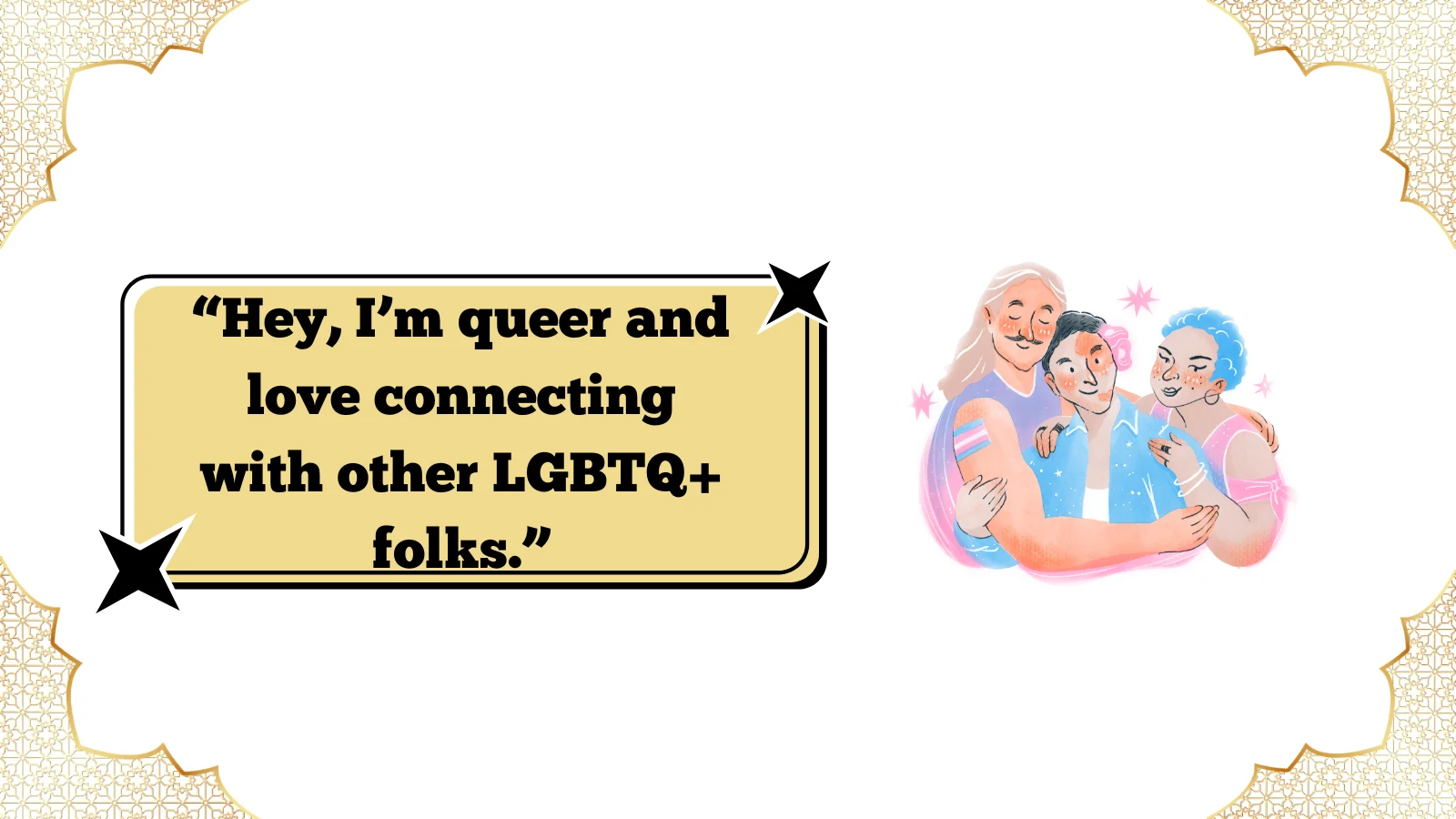
- Self-Identification: “Hey, I’m queer and love connecting with other LGBTQ+ folks.”
- Community Reference: “The queer community has amazing online support groups.”
- Avoid Assumptions: Don’t label someone else as queer unless they’ve said it themselves.
Pro Tips for Chat:
- Use it in casual conversations with friends who understand the context.
- Incorporate hashtags on social media:
#QueerJoy,#QueerVisibility. - Avoid using it as an insult—it’s reclaiming power, not a joke.
Examples of “Queer” in Conversations
Here’s how you might see queer in texting or online chat:
- Friend chat:
- “I came out as queer last week, and it felt amazing!”
- Social media:
- “Celebrating queer voices today 🌈 #QueerExcellence”
- Forum post:
- “Are there any queer-friendly events in NYC this weekend?”
Relatable Scenario: Imagine your friend texting, “I just realized I’m queer—mind if I vent?” Responding supportively shows both awareness and respect.
Common Mistakes or Misunderstandings
- Using it as a slur: Historically offensive, now reclaimed but still sensitive.
- Labeling others: Only use “queer” if the person identifies that way.
- Assuming queer = gay: It’s broader—encompassing bisexual, pansexual, nonbinary, asexual, and more.
- Overcomplicating: It’s okay to use casually among friends who understand—but clarity matters.
Related Slangs or Abbreviations
Here are some other terms often connected to queer in chat:
- LGBTQ+ – Lesbian, Gay, Bisexual, Transgender, Queer/Questioning, plus others.
- NB – Nonbinary.
- Ace – Asexual.
- Pan – Pansexual.
- FTM/MTF – Female-to-Male / Male-to-Female transitions.
Using these abbreviations correctly in conversation shows both inclusivity and savvy texting skills.
FAQs
1. Is “queer” offensive?
Not if someone uses it for themselves. It’s reclaimed and widely accepted in the LGBTQ+ community.
2. Can I call someone queer without asking?
No—only if they self-identify as queer.
3. Does queer mean the same as gay?
No, it’s an umbrella term covering many sexual and gender identities.
4. How do I use queer in social media captions?
Examples: “Proud and queer 🌈 #QueerVisibility #LGBTQ”
5. Is “queer” formal or casual language?
Mostly casual in texting/chat; can be academic or activist context formally.
6. Can non-LGBTQ+ people use “queer”?
Only in respectful contexts, never as a slur or joke.
7. Is queer only about sexuality?
No, it can refer to gender identity as well.
8. How do I respond if a friend comes out as queer?
Supportively! Example: “Thanks for trusting me—I’m here for you.”
Conclusion
Understanding queer meaning LGBTQ is more than just decoding a text abbreviation it’s about awareness, inclusivity, and respect.
In today’s fast paced texting and online culture, knowing how to use the term correctly ensures you communicate clearly while honoring diverse identities.
From casual chats with friends to social media posts and online forums, using “queer” appropriately reflects both empathy and cultural literacy.
Share your favorite text abbreviation or queer-positive term in the comments and let’s keep learning together!
Leave a Reply